77 West 55th Street
New York, New York 10019 38 W 39th St. NY NY 10018
212-581-3003
24/7 Customer Support
Mon - Fri: 24/7
Always open online
304 Fifth Ave, NY Fully Built & Furnished Office Space For Lease/Rent 304 Fifth Ave, Class A Office Building, […]
5th Avenue, NoMad
315 Fifth Ave, Murray Hill, Class B Office Space For Lease 250 – 820 SF 315 Fifth Ave, Murray […]
Murray Hill, 5th Avenue
866 Second Ave New York, NY 10017 866 Second Ave New York, NY 10017 Cross Street: East 47th St. […]
United Nations, Midtown Manhattan
30 E 60th Street, NY, NY Office Medical space for lease 500-25000 sq. ft.
$60-70 per Sq. Ft. Office or Medical space for lease 800 -1500 – 2500 – 4500-7800 10,000 sf plus
We will accommodate any size 800-25,000 sf.
Upper East Side, Plaza District
Lexington Ave, Grand Central Built and Furnished Office Space for Lease/Sublease 1,700 – 5,000 SF Lexington Ave, Grand Central […]
Grand Central, Lexington Ave
250 W 54th St, Columbus Circle, NYC Class B Office space for lease. Very affordable rent prices ! 7th floor […]
Columbus Circle, Midtown Manhattan
W 40th St, Bryant Park, Fully Furnished Office Space For Rent 6,600 – 6,700 SF W 40th St, Bryant […]
Bryant Park, Grand Central
E 40th St, Bryant Park, Fully Built & Furnished Office Space For Rent 3,600 – 7,450 SF E 40th […]
Bryant Park
Murray Hill, Fifth Ave, Built Office/Medical Space For Rent 8,100 SF Murray Hill, Fifth Ave, Built Office/Medical Space For […]
Murray Hill, 5th Avenue
Manhattan Office Leasing for Small Businesses: Key Challenges and Tenant Advantages
Manhattan Office Leasing for Small Businesses: Key Challenges and Tenant Advantages. Leasing office space in Manhattan is both an opportunity and a challenge for small businesses. As one of the most competitive commercial real estate markets in the world, Manhattan offers unmatched prestige, connectivity, and business ecosystem advantages. However, it also presents significant financial and operational barriers, especially for startups and small companies.
In recent years, the landscape of Manhattan office leasing has evolved. Rising vacancy rates, flexible lease structures, and changing work patterns have created new opportunities for tenants who know how to navigate the market strategically.
Manhattan remains the most expensive office market in the United States.
For small businesses, this means even a modest 1,000–1,500 square foot office can cost $6,000–$15,000 per month, depending on location and building quality.
Despite these costs, Manhattan continues to attract small businesses due to its unmatched access to clients, talent, and industry networks.
The biggest challenge is affordability. Small businesses often operate with limited capital, and Manhattan office rents can consume a significant portion of monthly revenue.
In addition to base rent, tenants must also account for:
These additional costs can increase total occupancy expenses by 15%–30% above base rent.
Traditional Manhattan office leases often require commitments of 5 to 10 years. For small businesses, this creates financial risk and limits flexibility.
Long leases can become problematic if:
Many older Manhattan office buildings were designed for large corporate tenants. This creates inefficiencies for small businesses, such as:
As a result, small tenants often pay for unused space.
Customizing an office space in Manhattan can be expensive. Build-out costs typically range from:
For a small business leasing 1,000 square feet, this can represent an upfront investment of $80,000–$250,000 before even moving in.
Demand for well-located, modern office space remains strong. In submarkets like NoMad, Midtown South, and Flatiron, small businesses often compete with tech firms, creative agencies, and startups for limited inventory.
This competition can drive up pricing and reduce negotiation leverage.
Despite these challenges, the current market also presents several advantages for small business tenants.
Manhattan office vacancy rates have stabilized around 13%–14%, depending on the submarket. In some older buildings, vacancy can exceed 18%–20%.
This gives tenants more leverage to negotiate:
Landlords are increasingly willing to compete for reliable tenants.
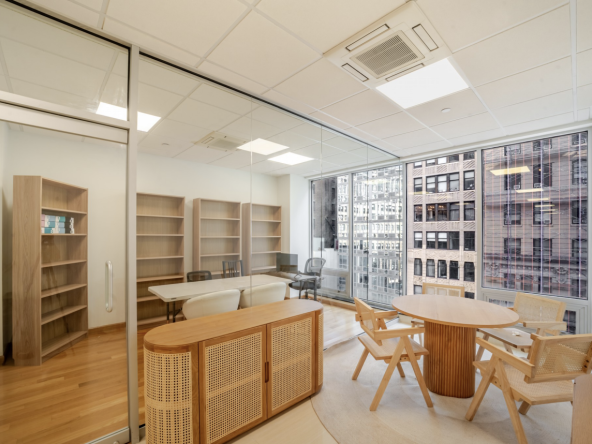
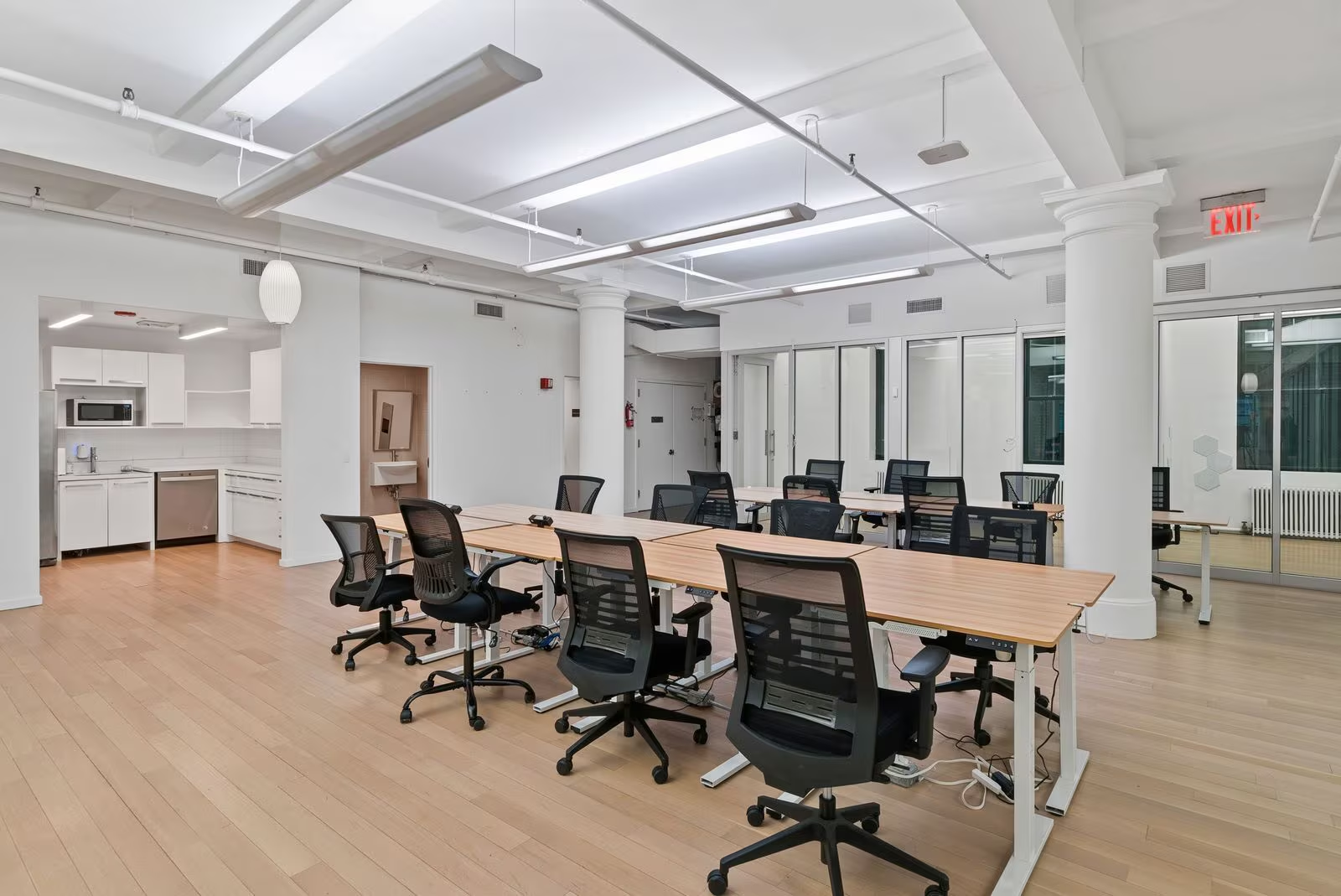
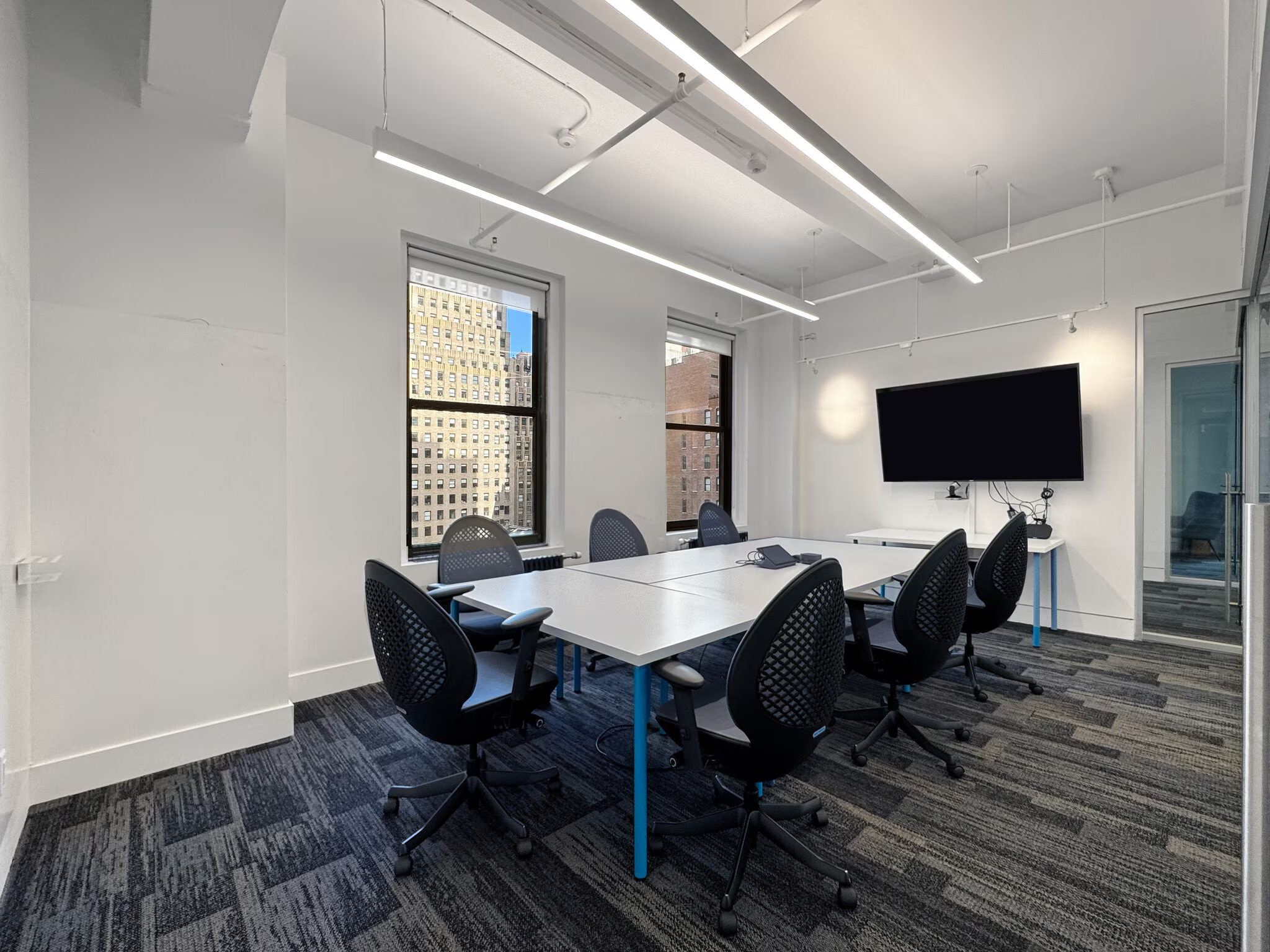
One of the biggest advantages for small businesses is the growth of pre-built office spaces.
These spaces typically include:
This reduces upfront costs and eliminates lengthy construction timelines.
The market has shifted toward flexibility. Many landlords now offer:
This is especially beneficial for startups and growing companies.
Some buildings in Midtown South, NoMad, and Downtown Manhattan now offer more competitive pricing due to repositioning efforts.
Small businesses can access:
at lower rates compared to peak pre-pandemic pricing.
To attract tenants, landlords are upgrading buildings with features such as:
These amenities improve employee experience without additional cost for tenants.
Co-Working and Hybrid Office Models
Many small businesses combine private offices with co-working memberships. This hybrid model allows:
Downsizing with Efficiency Gains
Instead of leasing large offices, many companies now choose smaller but better-designed spaces. A 1,500 sq ft optimized office today can often support the same productivity as a 2,500 sq ft traditional layout from the past.
Focus on Employee Experience
Even small offices now prioritize:
This improves productivity and helps attract talent in a competitive job market.
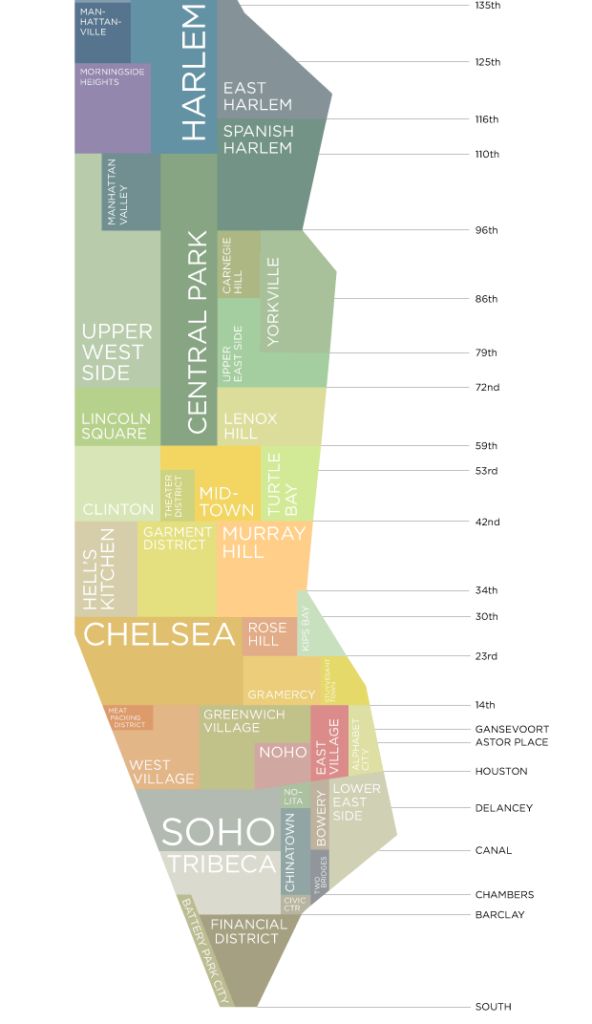
Midtown South
Popular for startups and creative firms. Offers flexible layouts and relatively competitive pricing compared to Midtown core.
NoMad
One of the fastest-growing office submarkets. Known for boutique buildings, design-focused spaces, and strong tech and media presence.
Flatiron District
Ideal for small tech and consulting firms. Central location with strong transit access.
Downtown Manhattan
More affordable compared to Midtown, with increasing interest from fintech and professional services firms.
Future Outlook
The future of Manhattan office leasing for small businesses will continue to be shaped by flexibility, cost efficiency, and experience-driven design.
Key trends include:
While costs remain high, the market is becoming more accessible to small businesses willing to prioritize efficiency over size.
Manhattan office leasing presents a complex balance for small businesses. On one hand, high rents, build-out costs, and long-term commitments remain significant challenges. On the other hand, increased vacancy, flexible leasing structures, and pre-built office solutions are creating new opportunities.
Today’s small business tenants have more negotiating power than ever before. By focusing on efficient layouts, strategic location choices, and flexible lease terms, companies can successfully establish a presence in Manhattan without overextending financially.
Manhattan remains a global business hub, and despite challenges, it continues to offer unmatched advantages for small businesses seeking growth, visibility, and long-term success.
Related Articles


Compare listings
Compare