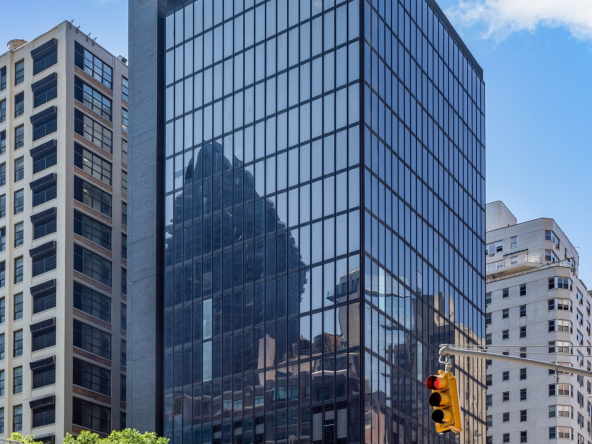
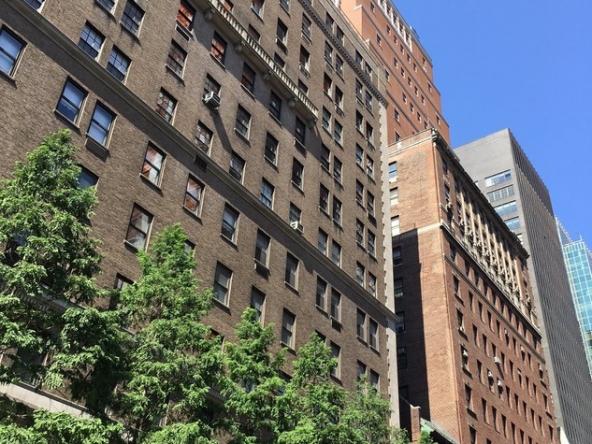
77 West 55th Street
New York, New York 10019 38 W 39th St. NY NY 10018
212-581-3003
24/7 Customer Support
Mon - Fri: 24/7
Always open online
866 Second Ave New York, NY 10017 866 Second Ave New York, NY 10017 Cross Street: East 47th St. […]
United Nations, Midtown Manhattan
30 E 60th Street, NY, NY Office Medical space for lease 500-25000 sq. ft.
$60-70 per Sq. Ft. Office or Medical space for lease 800 -1500 – 2500 – 4500-7800 10,000 sf plus
We will accommodate any size 800-25,000 sf.
Upper East Side, Plaza District
Lexington Ave, Grand Central Built and Furnished Office Space for Lease/Sublease 1,700 – 5,000 SF Lexington Ave, Grand Central […]
Grand Central, Lexington Ave
250 W 54th St, Columbus Circle, NYC Class B Office space for lease. Very affordable rent prices ! 7th floor […]
Columbus Circle, Midtown Manhattan
W 40th St, Bryant Park, Fully Furnished Office Space For Rent 6,600 – 6,700 SF W 40th St, Bryant […]
Bryant Park, Grand Central
E 40th St, Bryant Park, Fully Built & Furnished Office Space For Rent 3,600 – 7,450 SF E 40th […]
Bryant Park
Murray Hill, Fifth Ave, Built Office/Medical Space For Rent 8,100 SF Murray Hill, Fifth Ave, Built Office/Medical Space For […]
Murray Hill, 5th Avenue
Fifth Ave, Grand Central, Office Space For Rent 8,050 – 10,300 SF Fifth Ave, Grand Central, Office Space For […]
Bryant Park, Grand Central
Penn Station, NY, Class A Office space 5,000 -10,000 sq ft. for lease- sublease High Floors 5,000 – 10,000 […]
Hudson Square, Penn Station, Midtown Manhattan
Understanding Brokerage Fees When Leasing Office Space
Understanding Brokerage Fees When Leasing Office Space. Leasing office space is one of the most significant financial commitments a business can make. The process involves evaluating locations, negotiating terms, and understanding the many costs involved — including brokerage fees.
While brokerage fees are a common part of commercial leasing, many tenants aren’t fully aware of how they work, who pays them, and what value they provide. Whether you’re a small business seeking your first office or a large company looking to relocate, having a clear understanding of brokerage fees will help you make more informed decisions.
This guide will break down what brokerage fees are, how they’re calculated, who pays them, and how to ensure you’re getting the most value from your broker.
A brokerage fee, also known as a commission, is the payment made to a licensed commercial real estate broker for their role in facilitating a lease transaction. In office leasing, brokers act as intermediaries between landlords and tenants, using their market knowledge and negotiation skills to secure favorable terms for their clients.
The fee compensates the broker for their time, expertise, and resources used throughout the leasing process — from identifying potential spaces and arranging property tours to negotiating lease clauses and coordinating move-in logistics.
In most U.S. commercial leasing transactions, the landlord pays the brokerage fees. This applies to both the landlord’s listing broker (also called the leasing agent) and the tenant’s representative broker.
Here’s how it works:
When a lease is signed, the landlord pays both brokers from their marketing budget, typically as a percentage of the total lease value. This means tenants can benefit from professional representation without having to directly pay their broker.
Commercial brokerage fees are typically calculated as a percentage of the total lease value. The most common structure is:
This amount is typically split between the landlord’s broker and the tenant’s broker.
In some cases, one broker represents both the landlord and the tenant. This is called dual agency. While it can streamline communication, it’s important to understand that in a dual agency situation, the broker owes duties to both parties — which can limit their ability to negotiate aggressively on your behalf.
If you find yourself in a dual agency scenario, make sure the arrangement and fees are clearly disclosed in writing, and consider whether having an independent tenant’s broker might better serve your interests.
Some tenants wonder if they can save money by working directly with landlords and avoiding brokers altogether. While this might seem appealing, it often results in higher overall costs and less favorable lease terms. Here’s why:
Because brokerage fees are usually covered by the landlord, tenants get professional representation at no direct cost, making it one of the most cost-effective investments in the leasing process.
Before committing to a broker, it’s wise to clarify exactly how they will be compensated. Here are key questions to ask:
Clear answers to these questions will help prevent misunderstandings later in the process.
While brokerage fee percentages are often standard in a given market, the terms of your agreement with your broker can sometimes be negotiated — especially for large or complex transactions.
Consider discussing:
Understanding brokerage fees is essential for any business entering a commercial lease. In most cases, these fees are paid by the landlord and calculated as a percentage of the total lease value, split between the landlord’s and tenant’s brokers.
For tenants, the benefits of having a skilled broker — from accessing better properties to securing more favorable lease terms — far outweigh the cost, especially when the landlord covers the fee.
By asking the right questions, understanding how fees are calculated, and ensuring transparency from the start, you can approach your office search with confidence and clarity.
Final Takeaway:
Brokerage fees are not just a transactional cost; they are an investment in expertise, market access, and negotiation power. For businesses navigating the competitive New York City office market, the right broker can be the difference between an average lease and one that supports your company’s long-term success.
Related Articles




Compare listings
Compare