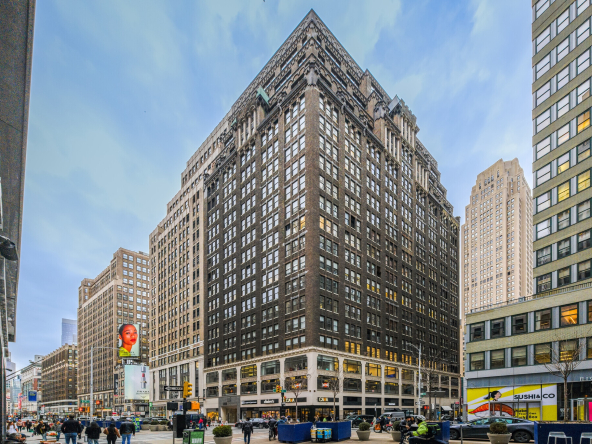
77 West 55th Street
New York, New York 10019 38 W 39th St. NY NY 10018
212-581-3003
24/7 Customer Support
Mon - Fri: 24/7
Always open online
Times Square, Broadway, Office Condo Space For Sale 16,800 – 16,900 SF Times Square, Broadway, Office Condo Space For […]
Time Square, Broadway
1270 Broadway – Cambridge Building, New York, NY Class B Office Building 1270 Broadway, Class B Office Building, 10001 […]
Herald Square, Broadway, Midtown Manhattan
873 Broadway, New York, NY, Class B Office Building 873 Broadway, New York, NY, 10003 Cross Streets are: E […]
Union Square, Broadway
826 Broadway, New York, NY, Class B Office Building 826 Broadway, New York, NY, 10003 Cross Streets are: E […]
Greenwich Village, Broadway
1412 Broadway, New York, NY, Class B Office Building 1412 Broadway, New York, NY, 10018 Cross Streets are: W […]
Garment District, Broadway
305 Broadway, New York, NY, Class B Office Building 305 Broadway, New York, NY, 10007 Cross Streets are: Thomas […]
City Hall, Broadway
217 Broadway – The Astor Building, New York, NY Class B Office Building 217 Broadway, Class B Office Building, […]
City Hall, Broadway
Penn Station, Broadway, Office Space For Lease 6,100 – 7,500 SF Penn Station, Broadway, Office Space For Lease 6,100 […]
Penn Station, Broadway
Broadway, Garment District, Fully Built & Furnished Office Space For Rent 12,350 SF Broadway, Garment District, Fully Built & […]
Garment District, Broadway, Broadway
The Next Skyline: How Major Projects Will Transform NYC Real Estate by 2030
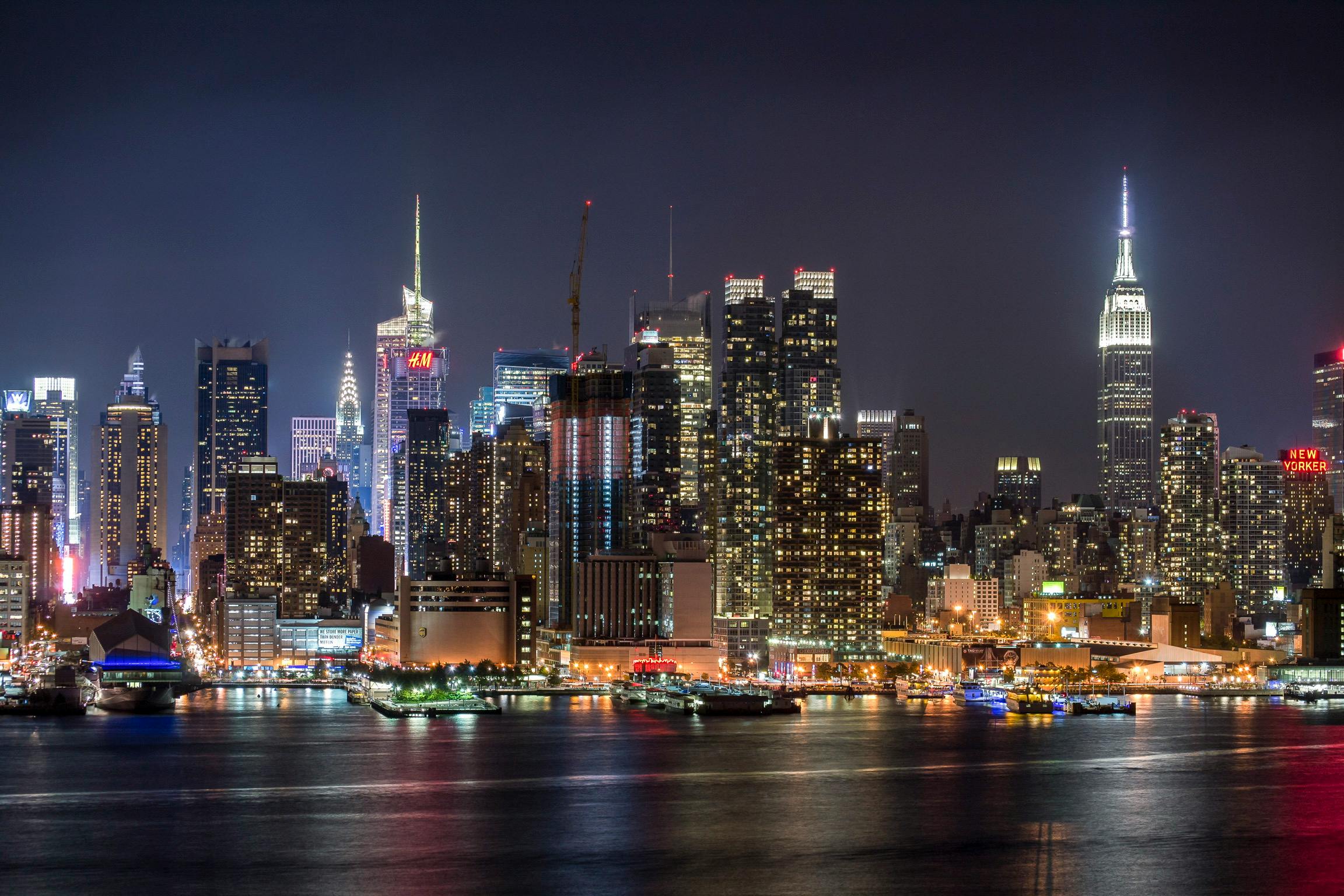
The Next Skyline: How Major Projects Will Transform NYC Real Estate by 2030. New York City is in the midst of an architectural and infrastructural renaissance. By 2030, a wave of ambitious construction projects will transform the city’s skyline and dramatically influence surrounding real estate markets. These developments will redefine how and where people live, work, and invest in the city.
From massive mixed-use megaprojects to reimagined transportation hubs, the changes underway promise not just a new silhouette for the city—but a new value framework for its property markets. Below, we explore the most significant projects, their costs, timelines, and potential real estate impacts.
Estimated Cost: $25 Billion
Completion Timeline: Through 2028
Hudson Yards stands as one of the most significant private real estate developments in U.S. history. This West Side megaproject spans over 28 acres and includes luxury residential towers, high-end office buildings, cultural institutions, open public spaces, and upscale retail. The project is unfolding in phases, with many towers already completed and more expected by 2028.
Impact on Real Estate:
Hudson Yards has fundamentally redefined Midtown West. Luxury condominiums in the area now routinely start above $4 million, with some penthouses exceeding $25 million. Rentals in newly developed towers are commanding rates well above city averages, reflecting demand for amenities, design, and proximity to infrastructure like the High Line and the 7 train extension.
As this development matures, adjacent areas—including parts of Hell’s Kitchen and Chelsea—are seeing rising interest from developers and investors seeking to capture the spillover demand. Property values have surged, and land prices continue to escalate, signaling long-term confidence in the area.
Estimated Cost: $18–19 Billion
Completion Timeline: Through 2030
The transformation of JFK Airport is the largest airport redevelopment in New York’s history. The centerpiece is Terminal One—a state-of-the-art, world-class facility replacing aging terminals. The broader plan includes roadway improvements, new transit links, terminal renovations, and expanded capacity.
Impact on Real Estate:
While the project doesn’t alter the city skyline directly, its influence on eastern Queens and adjacent neighborhoods is substantial. Improved airport access and infrastructure investment are driving interest in nearby residential and commercial real estate. Areas along key transit corridors are likely to see increased development pressure and higher valuations, particularly as new transit options shorten commute times to Manhattan.
Additionally, hotel development around the airport is expected to rise, responding to higher passenger volume and more international flights. As JFK modernizes, the perception of the region as a key global gateway will be reinforced, adding long-term stability to local markets.
Estimated Cost: $2.5–3 Billion
Completion Timeline: Through 2029
Once a naval shipyard, the Brooklyn Navy Yard is now one of the city’s most ambitious examples of adaptive reuse and industrial revitalization. The master plan envisions a vertical campus of light manufacturing, tech labs, film production facilities, and maker spaces. Public investments are being paired with private developments to create a hybrid hub of creativity and commerce.
Impact on Real Estate:
The Navy Yard’s transformation is having a ripple effect throughout Brooklyn. As the Yard attracts creative companies, tech start-ups, and modern manufacturing, nearby neighborhoods like Fort Greene, Williamsburg, and Vinegar Hill are experiencing increased demand from workers and entrepreneurs seeking proximity to this employment center.
Mid-rise commercial buildings and loft-style conversions are seeing renewed attention, while new developments along the waterfront are blending residential and commercial uses. Real estate investors are closely watching this corridor for emerging opportunities, particularly in underutilized parcels with zoning flexibility.
Notable Example: Proposed 350 Park Avenue Supertall
Estimated Cost (Proposal): $4.5 Billion
Potential Completion: Late 2020s or early 2030s (pending approvals)
A number of ultra-tall office and mixed-use skyscrapers are in various stages of planning or early development in Midtown Manhattan. These “supertalls” will rise above 1,400 feet and aim to attract top-tier financial firms and global corporations. They are intended to signal New York’s continued dominance as a business capital, even in the era of hybrid work.
Impact on Real Estate:
Supertall projects often redefine their neighborhoods—not just visually, but economically. They draw in premium retail, luxury dining, and create demand for supporting infrastructure. The presence of a major new tower can increase the value of adjacent commercial and residential buildings, spark retail repositioning, and prompt hotel development.
However, these projects are also complex and can face regulatory hurdles, rising construction costs, and financing challenges. Nonetheless, when successful, they establish long-term value anchors and raise the floor for surrounding property pricing.
Estimated Cost: $1.1 Billion
Completion Timeline: Through 2026
Located on the Lower East Side, Essex Crossing is a massive mixed-use development featuring affordable and market-rate housing, office space, senior housing, cultural venues, and a new market hall. It aims to repair the urban fabric of a neighborhood long held back by failed renewal efforts in the mid-20th century.
Impact on Real Estate:
Essex Crossing is reactivating a historically underutilized portion of Manhattan. The inclusion of affordable units and community spaces helps drive inclusive growth, while the project’s proximity to subways and popular downtown neighborhoods enhances its real estate potential.
Surrounding buildings, including older tenement-style properties and mid-rise walk-ups, are being renovated or repositioned. Interest in condo conversions and boutique developments has grown as the area gains vibrancy and amenities.
Major construction projects often change the perceived value of nearby neighborhoods. Areas once considered fringe or transitional—such as Midtown West before Hudson Yards—can rapidly evolve into premium markets. Early identification of these zones is key to value investing.
Investments in airports, transit, roads, and utilities may not be glamorous, but they directly affect property values. Better connectivity means higher rents, stronger absorption, and greater resale potential.
Developers are increasingly blending residential, commercial, retail, and cultural elements. This model reduces risk, broadens appeal, and creates neighborhoods that function around the clock—driving both rental and sale premiums.
In high-growth areas, controlling air rights or understanding rezoning trends can be more valuable than physical buildings themselves. This is especially true near major redevelopment zones.
Not every project will finish on schedule. Inflation, interest rates, and regulatory delays can affect timelines and completion dates. Real estate investors and agents must plan for flexibility and stay informed on progress updates.
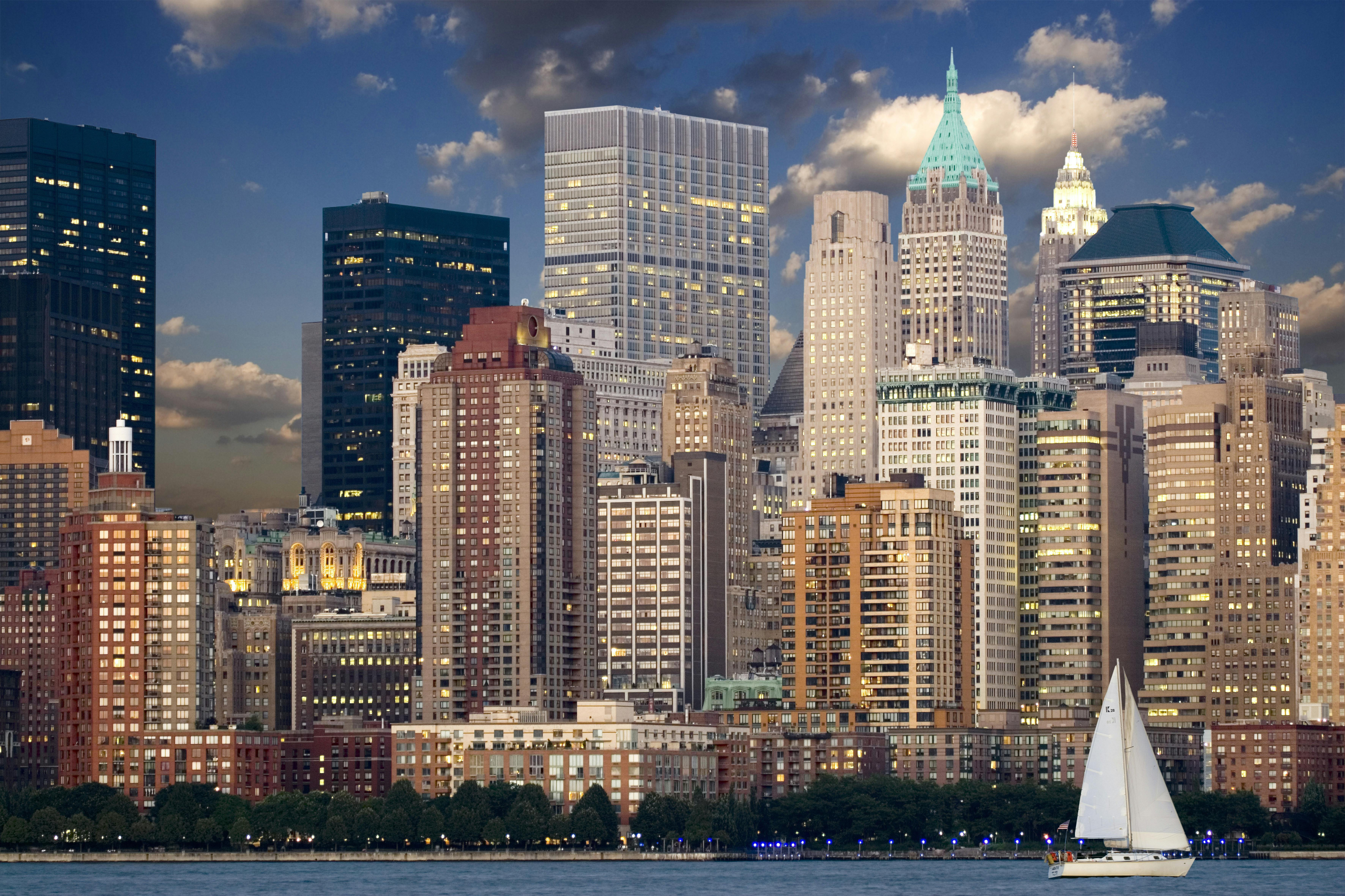
By the end of this decade, the New York City skyline will include dozens of new structures rising in Hudson Yards, Downtown Brooklyn, the Financial District, and Midtown. The city’s gateways—like JFK Airport—will offer the kind of architectural presence previously reserved for Europe or Asia. And entire neighborhoods, such as those around the Brooklyn Navy Yard or Essex Crossing, will become unrecognizable in their transformation.
For real estate professionals, this is not just about tall buildings. It’s about identifying the next wave of opportunity—where changing skylines intersect with shifting demand, improved livability, and rising global interest. Whether you are buying, selling, or building, understanding the forces behind these projects will be critical to staying ahead of the curve.
Related Articles


Compare listings
Compare