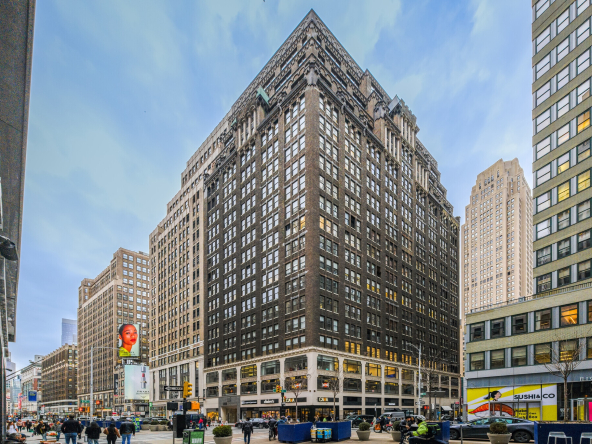
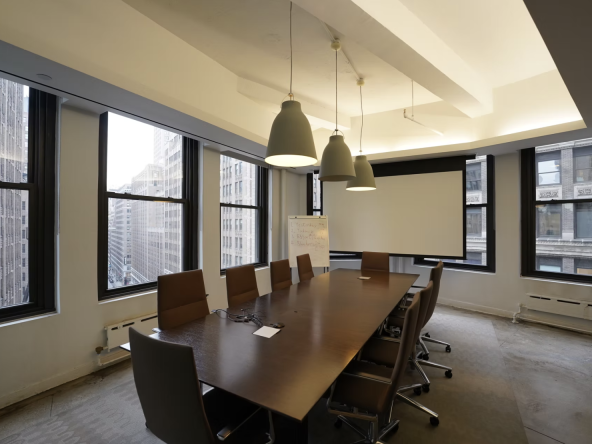
77 West 55th Street
New York, New York 10019 38 W 39th St. NY NY 10018
212-581-3003
24/7 Customer Support
Mon - Fri: 24/7
Always open online
Times Square, Broadway, Office Condo Space For Sale 16,800 – 16,900 SF Times Square, Broadway, Office Condo Space For […]
Time Square, Broadway
1270 Broadway – Cambridge Building, New York, NY Class B Office Building 1270 Broadway, Class B Office Building, 10001 […]
Herald Square, Broadway, Midtown Manhattan
873 Broadway, New York, NY, Class B Office Building 873 Broadway, New York, NY, 10003 Cross Streets are: E […]
Union Square, Broadway
826 Broadway, New York, NY, Class B Office Building 826 Broadway, New York, NY, 10003 Cross Streets are: E […]
Greenwich Village, Broadway
1412 Broadway, New York, NY, Class B Office Building 1412 Broadway, New York, NY, 10018 Cross Streets are: W […]
Garment District, Broadway
305 Broadway, New York, NY, Class B Office Building 305 Broadway, New York, NY, 10007 Cross Streets are: Thomas […]
City Hall, Broadway
217 Broadway – The Astor Building, New York, NY Class B Office Building 217 Broadway, Class B Office Building, […]
City Hall, Broadway
Penn Station, Broadway, Office Space For Lease 6,100 – 7,500 SF Penn Station, Broadway, Office Space For Lease 6,100 […]
Penn Station, Broadway
Broadway, Garment District, Fully Built & Furnished Office Space For Rent 12,350 SF Broadway, Garment District, Fully Built & […]
Garment District, Broadway, Broadway
Office Space Utilization in Manhattan
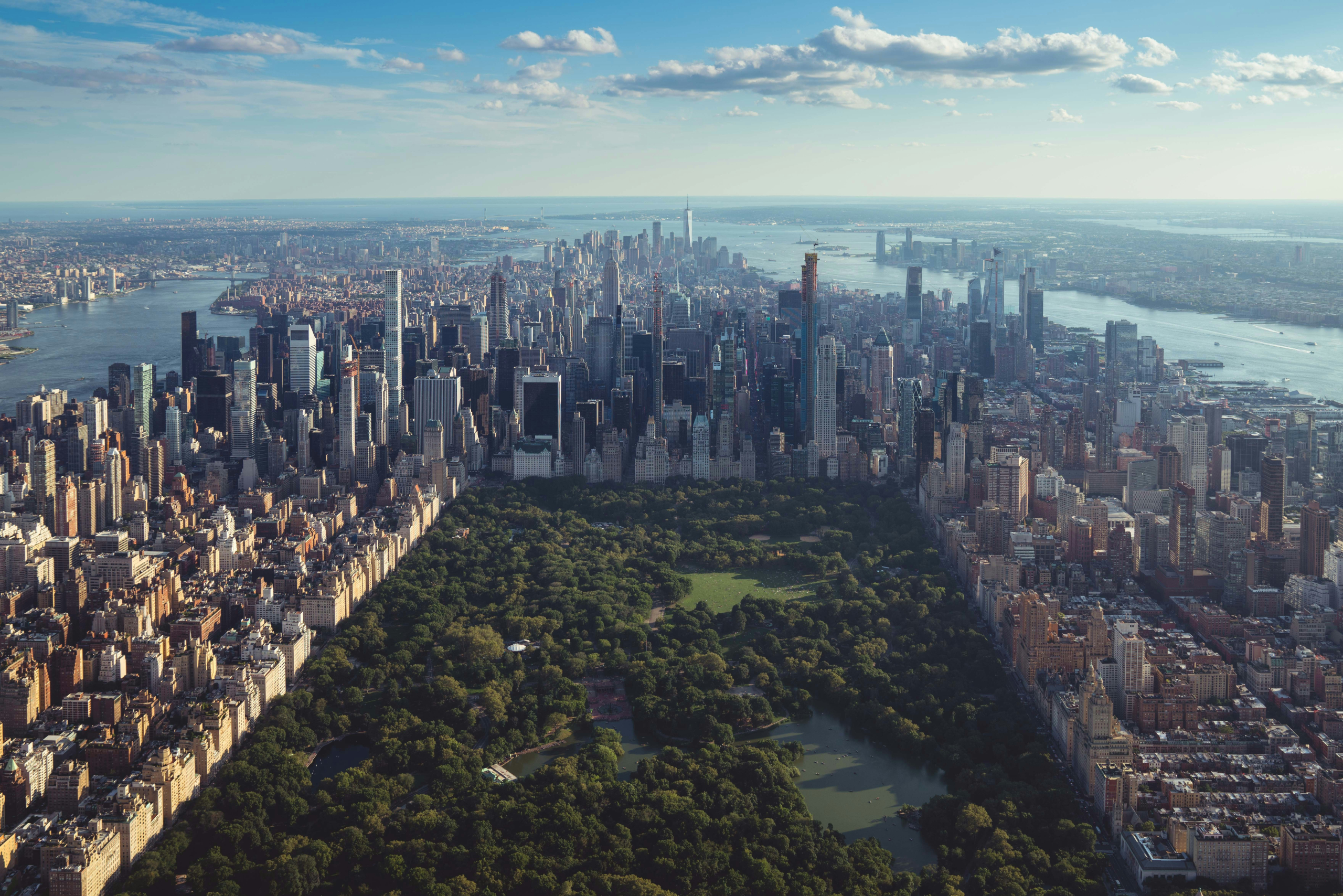
Office Space Utilization in Manhattan. Manhattan remains one of the most competitive office markets in the world. Despite the rise of hybrid work, office space utilization in Manhattan continues to evolve rather than decline. Companies are no longer focused only on size—they prioritize efficiency, cost per employee, and space performance.
Office space in Manhattan is among the most expensive in the United States.
In practical terms, a 1,000 sq ft office in Manhattan typically costs $5,000–$10,000 per month, depending on location and building class.
Overall vacancy rates have also shifted significantly in recent years, stabilizing around 13%–14% across Manhattan, reflecting ongoing demand for high-quality space despite structural changes in work patterns.
Office utilization in Manhattan is no longer measured by occupancy alone. Instead, companies focus on how effectively space supports productivity.
Hybrid work has reduced daily occupancy levels, meaning many firms now use only 60%–75% of their total office capacity on a given day. This has pushed organizations to redesign layouts and reduce wasted square footage.
As a result, many tenants are downsizing but upgrading quality—moving from large, underutilized offices into smaller, more efficient, premium spaces.
Hybrid work remains the strongest driver of change. Employees split time between home and office, reducing the need for permanent desks.
Companies now implement:
This improves utilization rates while reducing cost per employee.
With average rents ranging between $70 and $100 per square foot in Midtown Manhattan, inefficient space is extremely expensive.
For example:
This cost pressure forces companies to optimize every square foot.
A major trend in Manhattan is the “flight to quality.” Companies are leaving older buildings and moving into modern, amenity-rich spaces.
High-end buildings often command:
This shift increases utilization even when total square footage decreases.
Modern offices now rely on technology to track usage:
This data helps companies identify underused zones and reconfigure layouts in real time.
Flexible Design
Modern offices are built with modular layouts:
This allows a single space to serve multiple functions throughout the day.
Activity-Based Working
Instead of assigning desks, companies assign spaces based on activity:
This significantly improves space utilization rates.
Consolidation Strategy
Many firms are reducing footprint by 20%–40%, while upgrading quality.
They are trading:
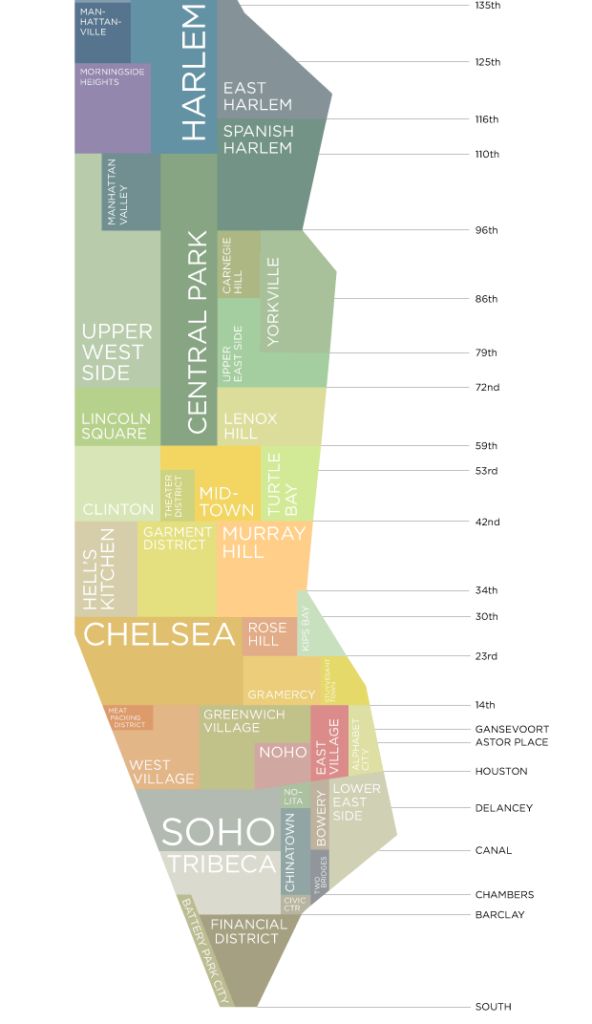
Midtown Manhattan
Midtown remains the largest office hub but has seen mixed utilization due to hybrid work. Older buildings face pressure, while new Class A towers maintain strong demand.
NoMad & Midtown South
NoMad has become one of the fastest-growing office submarkets for tech, media, and creative firms. Flexible layouts and boutique buildings drive higher utilization efficiency.
Downtown Manhattan
Financial firms in Downtown are consolidating space but investing heavily in modernization and employee experience.
Typical Space Utilization Benchmarks
Modern Manhattan offices operate under new efficiency standards:
Higher utilization is strongly linked to better layout design and technology integration.
The future of office space utilization in Manhattan will continue moving toward:
Even though total demand has shifted, Manhattan remains a global office hub due to its concentration of finance, media, law, and tech industries.
Office space utilization in Manhattan is undergoing structural transformation. Companies are no longer measured by how much space they lease, but by how efficiently they use it.
With average rents exceeding $70–$100 per square foot, optimization is not optional—it is essential. The most successful companies are those that combine flexibility, technology, and premium design to maximize productivity per square foot.
Manhattan continues to set the global standard for office evolution, where efficiency and experience now define the future of work.
Related Articles



Compare listings
Compare