77 West 55th Street
New York, New York 10019 38 W 39th St. NY NY 10018
212-581-3003
24/7 Customer Support
Mon - Fri: 24/7
Always open online
Penn Station, NY, Class B Office space for rent 4000-8000 sf $35 per Sq. Ft. $11,660 /per month Entire floor […]
Penn Station, Midtown South
Chelsea NYC, W 27th St, Furnished Office Space For Rent, 2100 SF, $39 per SF Chelsea NYC, W 27th […]
Chelsea
11th Ave The Chelsea Piers Sports & Entertainment Complex, Loft space for rent 2nd floor space for lease 3,000-10,000 sf […]
Chelsea
W 18th St, Flatiron District, Commercial loft space for rent 2500-5000 Sq Ft Flatiron District, Commercial loft space for rent […]
Flatiron District
Spring St, Soho, NY, Wooster St, Loft Office for lease 5,000 – 20,000 sf, Open space for lease, Loft Office […]
SoHo
Chelsea, W 24th St, Fully Built Office Space For Lease 5,600 SF Chelsea, W 24th St, Fully Built Office […]
Chelsea
Soho, Broadway, Showroom or Fitness Space For Lease 2,545 SF Soho, Broadway, Showroom or Fitness Space For Lease 2,545 […]
SoHo
W 23rd St. New York, NY, Commercial loft space for rent, 3500-7000 sf, Chelsea. Commercial loft space for rent, low […]
Chelsea
W 14th St, Sixth Ave. Class B Office for rent 1,500 – 3,000 sf $40 per SF $5000 /month 1,500 – […]
Sixth Avenue, Chelsea
Commercial and Industrial Loft Space for Rent in NYC
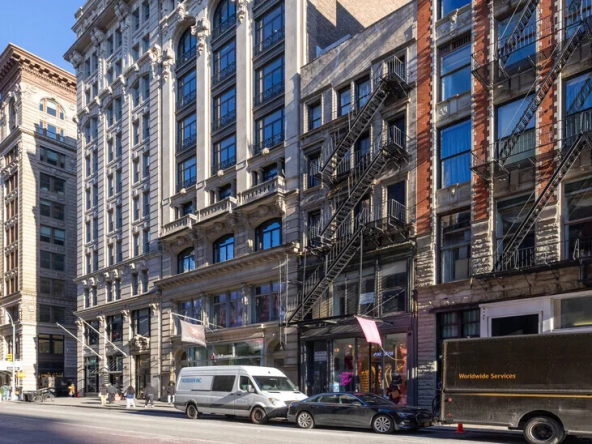
Commercial and Industrial Loft Space for Rent in NYC. New York City remains one of the world’s leading business destinations, attracting entrepreneurs, manufacturers, creative agencies, technology startups, logistics companies, and established corporations. Among the many commercial property options available, commercial and industrial loft spaces continue to stand out because of their flexibility, architectural character, and ability to accommodate a wide variety of business operations.
Whether you’re launching a creative studio, expanding a distribution company, opening a showroom, or searching for a unique office environment, renting a loft in New York City can provide both functionality and long-term value. Understanding the market, pricing, building features, and lease considerations is essential before making a decision.
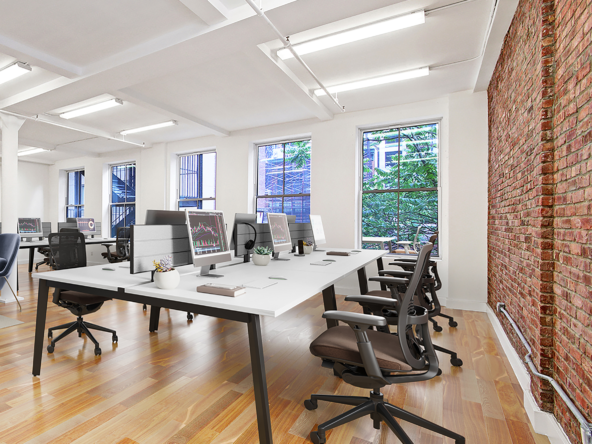
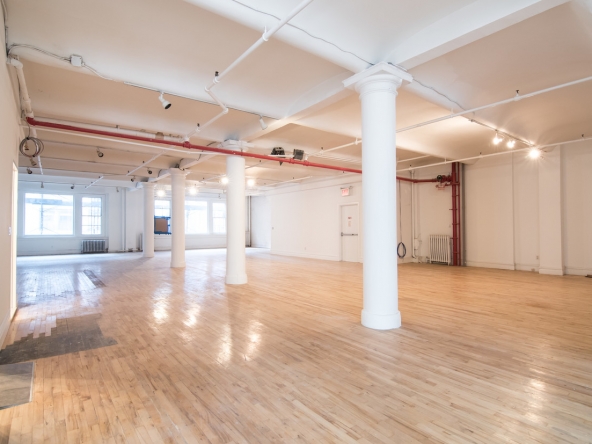
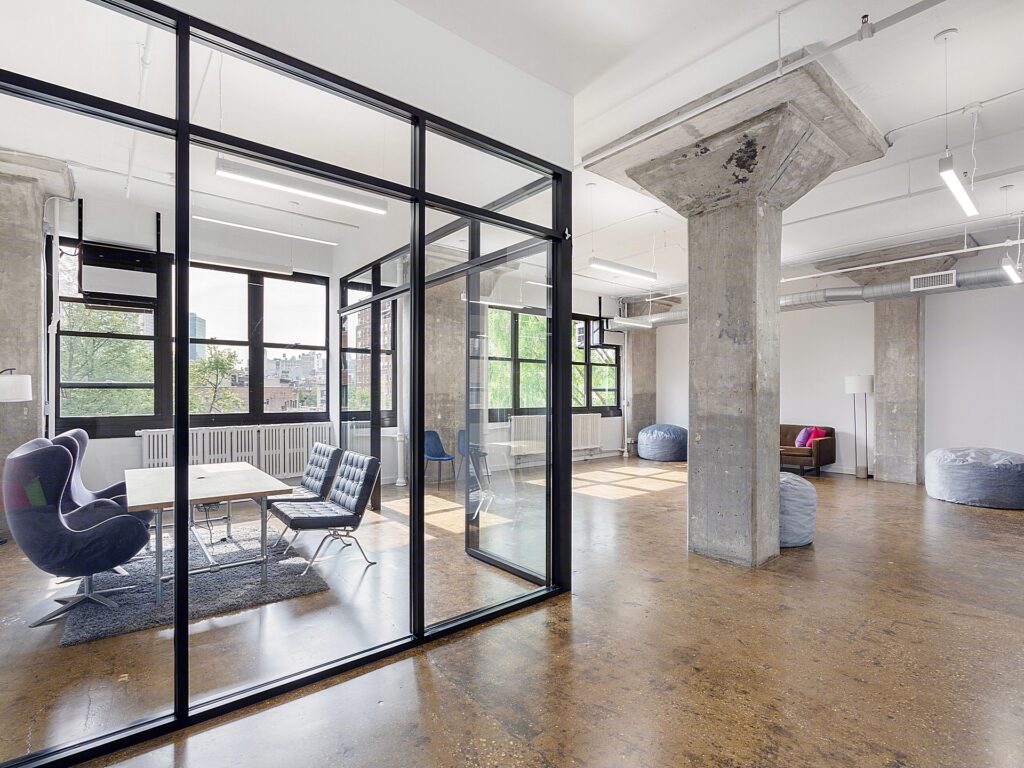
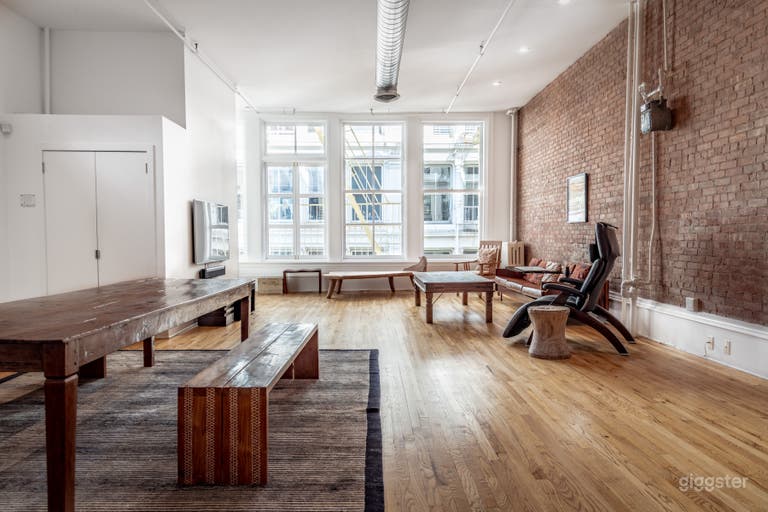
Commercial loft space typically refers to large, open-floor commercial units that were originally constructed for manufacturing or warehouse purposes but have since been adapted for modern business use. These properties often feature:
Many businesses appreciate the ability to customize loft spaces according to their operational needs while maintaining an attractive industrial aesthetic.
Industrial loft spaces are designed for businesses requiring greater operational capabilities than traditional office environments. These properties often support:
Industrial loft buildings frequently include loading docks, freight access, reinforced flooring, utility upgrades, and larger service entrances that support commercial operations.
Commercial lofts continue to attract companies across many industries because they provide flexibility that conventional office buildings cannot always offer.
Major advantages include:
Open layouts allow businesses to create customized work environments without being restricted by numerous permanent walls.
Exposed brick, timber beams, steel columns, and oversized windows create an inspiring atmosphere preferred by many creative professionals.
Many loft spaces can combine office operations, product storage, collaborative workspaces, and production areas under one roof.
As companies grow, many loft buildings allow tenants to lease additional adjacent spaces or larger floors.
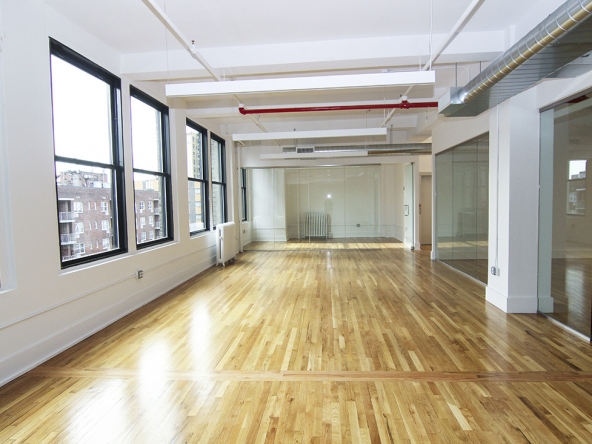
Large industrial windows reduce dependence on artificial lighting while creating comfortable working conditions.
Commercial and industrial lofts serve a broad range of industries, including:
The versatility of loft properties makes them attractive to businesses seeking adaptable workspace.
Rental costs vary significantly depending on building quality, neighborhood, accessibility, building amenities, and lease terms.
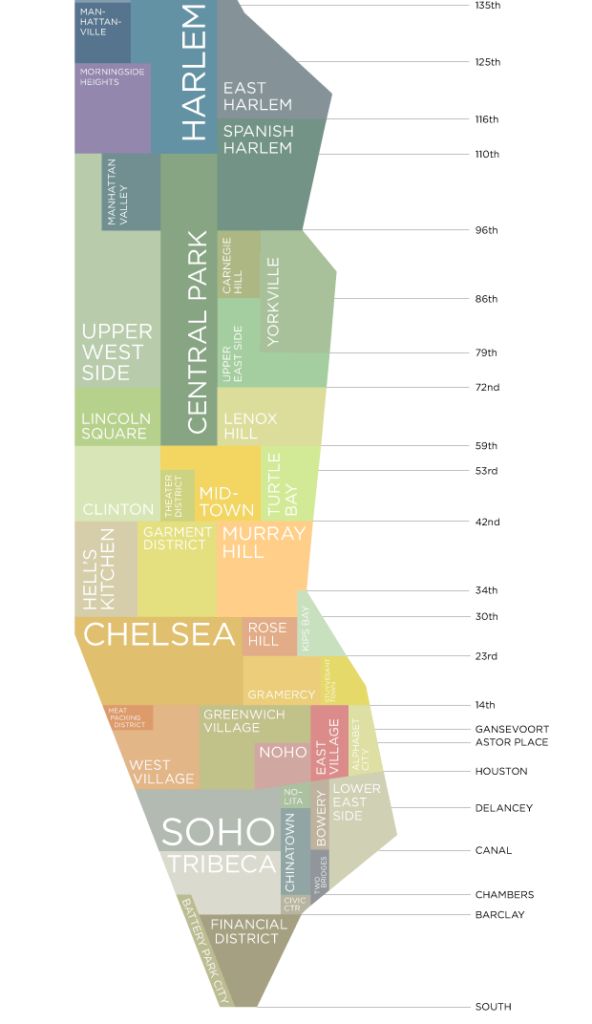
Typical annual asking rents include:
Monthly rental costs depend on total square footage. For example, a 3,000-square-foot space leased at $35 per square foot annually would have a base monthly rent of approximately $8,750 before additional operating expenses or taxes, while higher-end creative lofts command substantially higher monthly costs. Market conditions, tenant improvements, and lease negotiations can all influence final pricing.
Several factors determine how much businesses pay for loft space.
Recently renovated loft buildings often command premium rental rates due to upgraded infrastructure and modern amenities.
Higher ceilings increase usability for both creative offices and industrial operations.
Industrial businesses typically prioritize buildings with freight elevators, loading docks, and truck accessibility.
Large windows increase property desirability for creative tenants.
Modern climate control systems improve employee comfort and reduce renovation expenses.
Manufacturing, technology, and production businesses often require upgraded electrical service.
Longer lease commitments sometimes provide opportunities for more favorable rental terms.
Commercial loft buildings frequently include:
Industrial properties may additionally offer:
Commercial leases differ substantially from residential agreements.
Businesses should evaluate:
Carefully reviewing lease terms helps businesses avoid unexpected expenses over the life of the agreement.
Selecting the correct amount of space is essential for operational efficiency.
Small businesses may begin with compact lofts suitable for office use, while growing companies often require additional square footage for inventory, equipment, or collaborative workspaces.
Businesses should also consider future growth before signing long-term leases.
While both property types share similar architectural characteristics, they serve different operational purposes.
Commercial office lofts generally emphasize:
Industrial lofts focus on:
Some businesses benefit from hybrid spaces that combine office functions with warehouse capabilities.
Demand for flexible commercial space remains strong across New York City as companies increasingly prioritize adaptable layouts over traditional office configurations. Creative industries continue to favor authentic loft buildings, while logistics, e-commerce, and light manufacturing firms seek industrial spaces that support efficient operations.
Modern tenants are also placing greater emphasis on sustainability, energy efficiency, upgraded building systems, and flexible lease options.
Before signing a commercial lease, businesses should:
Taking time to assess these factors can lead to better financial outcomes and smoother day-to-day operations.
Commercial and industrial loft space continues to represent one of the most versatile real estate options available in New York City. With open layouts, distinctive architectural features, and the flexibility to support a wide variety of industries, loft properties remain an attractive solution for businesses seeking functional and inspiring work environments.
Whether a company needs a creative headquarters, production studio, warehouse, design center, or mixed-use commercial facility, understanding current rental pricing, building features, lease structures, and operational requirements will help ensure a successful leasing decision. By carefully evaluating available options and planning for future growth, businesses can secure a loft space that supports productivity, strengthens their brand image, and provides long-term value in one of the world’s most competitive commercial real estate markets.
Related Articles

Compare listings
Compare