77 West 55th Street
New York, New York 10019 38 W 39th St. NY NY 10018
212-581-3003
24/7 Customer Support
Mon - Fri: 24/7
Always open online
Union Square West, NYC Office/Retail Space For Rent 7,100 SF Union Square West, NYC Office/Retail Space For Rent 7,100 […]
Union Square
West Chelsea Art Gallery District 3,000-10,000 sf for lease 3,000 sf, 5,000 sf, 10,000 sf, Ground and 2nd […]
Chelsea
Fifth Ave, NYC Retail/Fitness Space For Rent 8,400 – 9,350 SF Fifth Ave, NYC Retail/Fitness Space For Rent 8,400 […]
5th Avenue
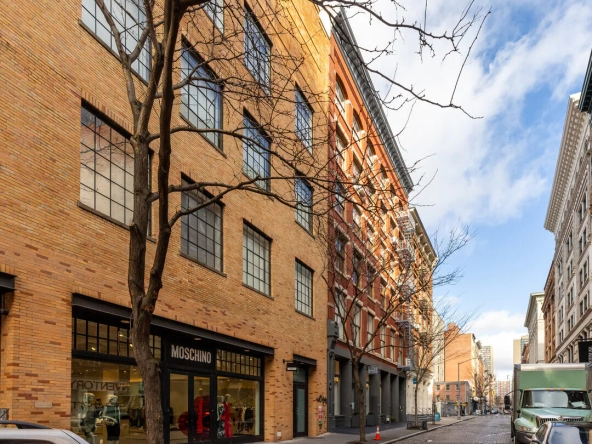
Wooster St, SoHo, Retail Space For Lease 9,050 SF Wooster St, SoHo, Retail Space For Lease 9,050 SF Perfect […]
SoHo
Wooster St, SoHo, Retail Space For Lease 3,050 – 3,650 SF Wooster St, SoHo, Retail Space For Lease 3,050 […]
SoHo
Washington St, Chelsea, Office/Retail Space For Rent 2,700 SF Washington St, Chelsea, Office/Retail Space For Rent 2,700 SF Flexible […]
Chelsea
Mercer St, SoHo, Retail Space For Lease 2,550 SF Mercer St, SoHo, Retail Space For Lease 2,550 SF A […]
SoHo
Delancey St, SoHo, Retail Space For Lease 1,550 SF Delancey St, SoHo, Retail Space For Lease 1,550 SF Suite […]
SoHo
W Broadway, SoHo, Retail Space For Lease 2,800 SF W Broadway, SoHo, Retail Space For Lease 2,800 SF Located […]
SoHo, Broadway
Midtown South Manhattan Retail Space for Lease
Midtown South Manhattan Retail Space for Lease. Midtown South Manhattan is one of the most dynamic and sought-after areas for retail businesses. Its central location, high foot traffic, and proximity to key commercial and residential hubs make it an attractive destination for retailers seeking premium space. Whether you are a small boutique, an established brand, or a startup looking to establish a presence, finding the right retail space in Midtown South requires careful planning and understanding of market trends.
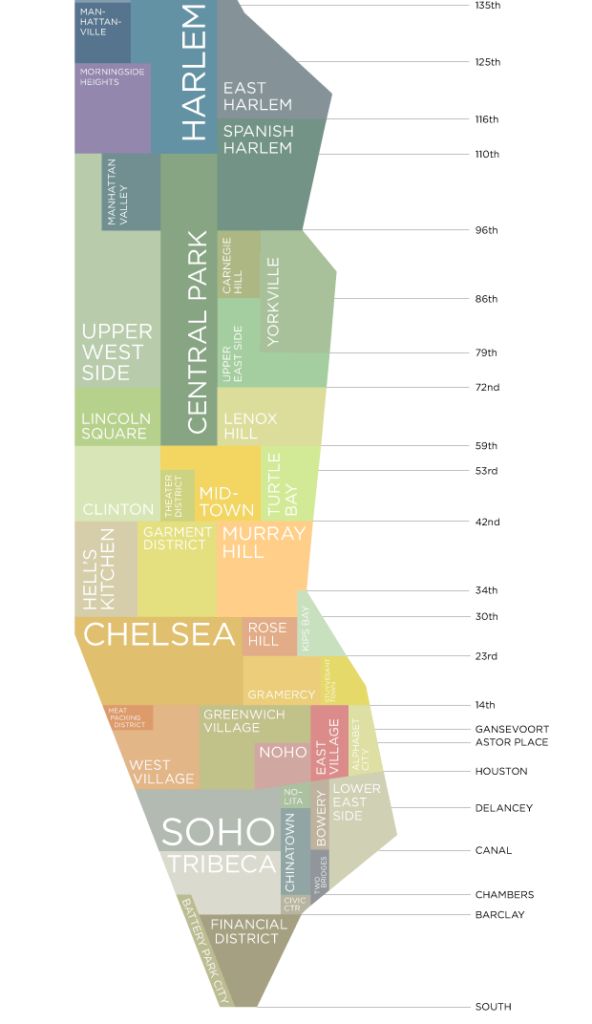
Midtown South encompasses vibrant neighborhoods such as Chelsea, NoMad, the Flatiron District, and parts of Gramercy and Union Square. These areas attract a diverse mix of tourists, office workers, and residents, creating an ideal environment for retail businesses.
The retail landscape in Midtown South features a blend of luxury boutiques, flagship stores, high-end restaurants, and trendy pop-up shops. Many well-known brands and independent retailers have chosen this district due to its appeal to both locals and visitors. With major transportation hubs nearby and a steady influx of foot traffic, retail spaces in this region offer significant visibility and business potential.
Retail spaces in Midtown South vary widely in size, location, and amenities. The most common types include:
The price for retail spaces in Midtown South varies depending on the exact location, size, and condition of the property. As of 2025, average asking rents per square foot per year are as follows:
These prices fluctuate based on market demand, lease terms, and the specific features of the property. Prime locations on major avenues, such as Fifth Avenue or Sixth Avenue, tend to command higher rents due to greater visibility and foot traffic. Storefronts with larger windows, corner spaces, and proximity to public transportation also tend to be more expensive.
When searching for retail space in Midtown South, several factors should be taken into account:
Areas with heavy pedestrian traffic ensure a steady stream of potential customers. Locations near subway stations, office buildings, and tourist attractions tend to perform better for retail businesses. Analyzing daily foot traffic data can provide insights into customer potential.
Retail lease agreements vary in length and conditions. Some landlords offer short-term leases for pop-up stores, while others require long-term commitments. Understanding lease terms, renewal options, and additional costs such as maintenance fees is essential.
The design and layout of the retail space should align with business needs. Factors like square footage, frontage, storage, and restroom facilities can impact functionality and customer experience. Additionally, considerations such as ceiling height, lighting, and HVAC systems play a role in determining the overall desirability of the space.
Analyzing the surrounding retail landscape helps businesses position themselves strategically. Being located near complementary businesses rather than direct competitors can enhance customer traffic. Studying consumer behavior in the area can also guide marketing and product placement strategies.
New York City has strict zoning laws that dictate what types of businesses can operate in certain areas. Ensuring that a retail space complies with zoning regulations is crucial before signing a lease agreement. Businesses should consult with real estate attorneys or city planning officials to verify compliance.
Aside from base rent, retailers must account for common area maintenance (CAM) fees, property taxes, and utility costs. Some leases may also require businesses to contribute to building insurance and repair costs. Understanding these expenses is vital for accurate budgeting.
As of 2025, the Midtown South retail market is experiencing a resurgence following shifts in consumer behavior and economic recovery. Some notable trends include:
Finding the perfect retail space requires a strategic approach. Here are some steps to streamline the process:
Leasing retail space in Midtown South Manhattan presents a valuable opportunity for businesses looking to establish a strong presence in a high-traffic area. With a wide range of options available, from boutique storefronts to large showrooms, businesses can find the perfect space that aligns with their brand vision. By carefully evaluating location, pricing, and lease terms, retailers can secure a prime spot in one of Manhattan’s most thriving commercial districts. Understanding market trends, foot traffic patterns, and zoning regulations will further enhance a business’s ability to thrive in this competitive retail environment.
Related Articles

Compare listings
Compare